
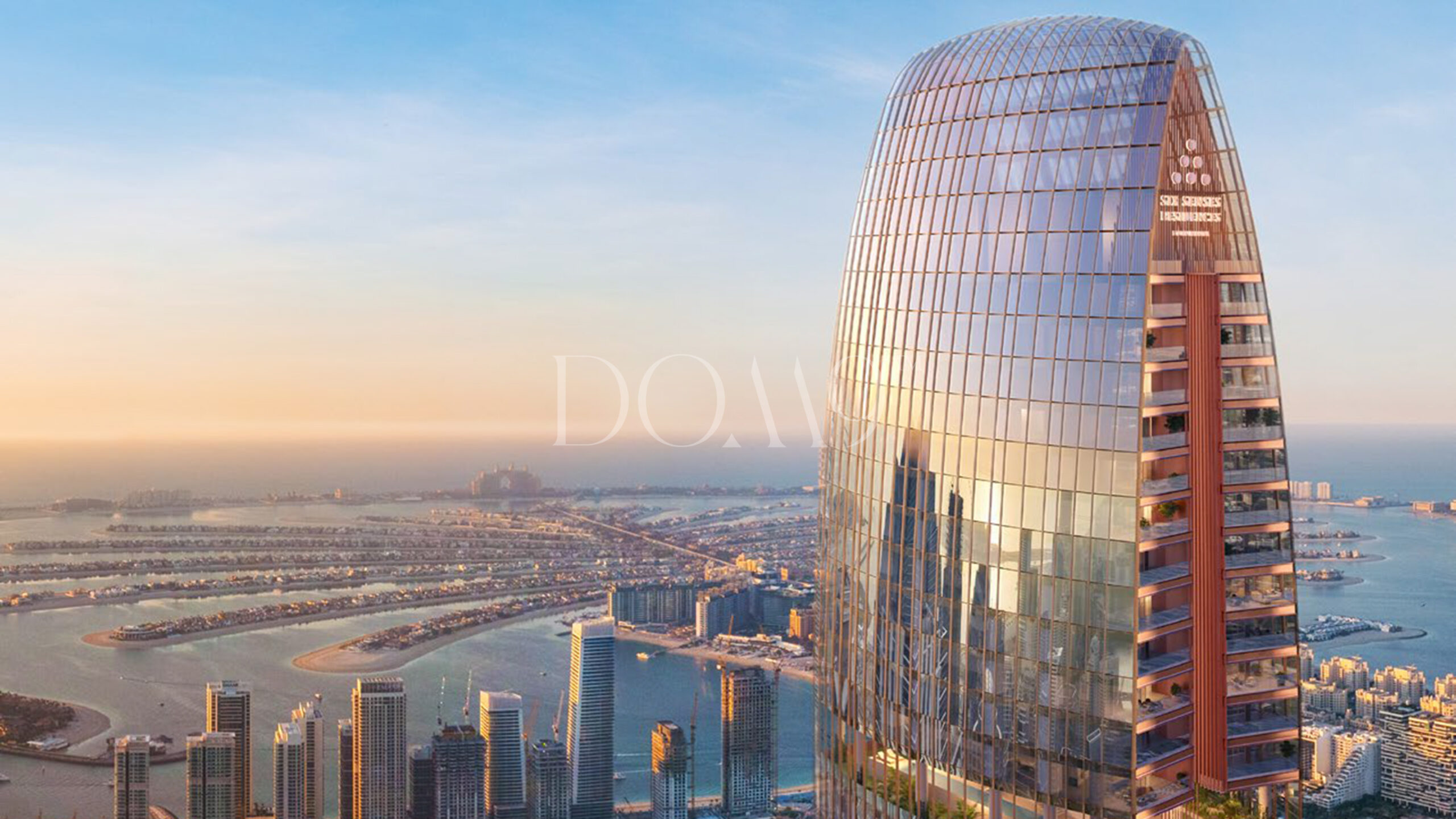
How to Invest in Dubai Real Estate
Written by Jenifer ● 20 September 2024
There is no doubt that Dubai has established itself as a highly attractive and lucrative destination for real estate investment. Its strategic location, attractive government incentives,
tax free status, and high demand, combined with its rapidly growing economy, are just some of many reasons why it has become so highly sought after amongst investors. Recent data shows this sector has seen incredible growth, both in terms of off-plan and secondary market transactions, a clear indicator of investor confidence and a thriving market.
With that being said, the sheer number of properties available, as well as the different types of real estate, the idea of investing in Dubai real estate may be a daunting prospect, whether you are a first time buyer, or even a seasoned property investor looking to expand their portfolio. Therefore we have created a step by step guide on how to invest in Dubai real
estate.
1. Define Your Investment Goals
The first thing to do before diving into the Dubai real estate market, is to clearly define your investment goals. Are you looking for long-term capital appreciation, steady rental income, or a combination of both? The Dubai real estate market has a broad spectrum of different properties. Getting a clear grasp of your financial objective will help guide your buying decisions and help determine what property is right for you. One of the first, and biggest distinctions that needs to be made, is to decide between off-plan or secondary (resale) properties.
Invest in Off-Plan Properties
Off plan are properties that are still under construction and have yet to be handed over. Off plan properties often come with attractive payment plans from developers, allowing you to
spread the cost over several years. Off-plan properties can offer significant capital appreciation but may take years before they generate rental income. Also the opportunity to get into new upcoming communities as a much more affordable cost. Whilst off plan properties traditionally have higher risk associated with them due to the fact properties are yet to be completed, Dubai has put in place many regulations to ensure the safety of any investment.
Mortgages are typically not available for off-plan purchases. Instead, developers offer attractive payment plans that allow you to pay in instalments over the construction period and beyond.
Secondary Properties are ready-to-move-in properties. They can provide immediate rental income and are easier to finance with a mortgage. However, they usually require a higher upfront cost. They also do not typically see the same rates of capital appreciation, however this is very dependent on the community and type of property purchased.
If you opt for a mortgage, be aware of the down payment requirements. For first purchases under AED 5 million, a 20% downpayment is required. For properties above AED 5 million
and for any additional mortgages, a 30% downpayment is needed.
For financed purchases, getting a pre-approval from an established mortgage advisor is essential. This will give you a clear idea of your budget and streamline the buying process.
2. Define Your Budget
Carefully define your budget and consider all associated costs: Whilst the biggest cost is the purchase price, buyers should be aware of other associated costs as they can add up. All buyers will have to pay 4% registration fee, whilst off plan buyers will need to pay AED 3,000 Oqood registration fees, and secondary buyers will deed to pay between AED 2,000
for properties valued below AED 500,000, and AED 4,000 for properties valued above. Buyers requiring a mortgage will also need to pay an additional fees for a mortgage registration, valuation, as well as advisory fees. Property registration and the associated paperwork can be daunting, therefore it is recommended to use a conveyancer, which will also require additional costs.
Aside from these upfront fees, buyers should also account for other costs associated with home ownership. This included property service fees, chiller fees, home insurance, as well as maintenance costs. Buying a newer property may reduce these costs, but it is best to check with your real estate agent, who will be able to give a more detailed break down of
what you can expect to pay.
3. Market Research
After determining your budget, the next stage will be working with a real estate agent to conduct thorough market research to make informed investment decisions and to discuss your strategy. Are you seeking capital appreciation or rental returns? DO you want a stable area with lower returns, or do you want to take a bigger risk, with higher potential for bigger reward? Are you looking to buy a villa or an apartment? These are all questions you will need to answer in order to help you choose the right property and the right area for you. The next step is choosing the right property. It is important to work with an experienced agent familiar with the Dubai market, as well as experience working in the areas you are looking to buy, within your desired budget. They will be able to provide valuable insights and access to exclusive listings. The next step will be to start viewing properties. and compare
options. Pay attention to the property’s condition, location, and potential for appreciation or rental income.
4. Making an Offer and Closing the Deal
Once you find the right property, proceed with submitting an offer. Work with your agent to make a competitive offer based on market conditions. You will need to be prepared to
negotiate on price, terms, and any additional benefits or concessions. Upon agreeing a price, you will need to sign a Memorandum of Understanding (MOU) and pay a deposit,
usually around 10% of the property price. The sale is completed at the Dubai Land Department, where you will pay the remaining balance and transfer fees.
5. Renting your property
If you are looking to rent your property there are several factors that need to be taken into account. Work with an agent or a property manager to help set a competitive rent. It will be
the agent’s responsibility to help guide you to what your rent will be, they will also market your property and arrange viewing with you. You will need to decide whether you choose to use a property manager, or decide to manage your property yourself. Property management services will take away a lot of the stress involved with being a Dubai landlord. They typically charge approximately 5-10% of the rental amount, and they will be the middleman between you and your tenant. They will find and screen the right tenant for you, as well be responsible for rent collection and maintenance. Before renting out your property it is important to get landlord insurance which will protect you against any damages and liability. Whilst insurance will cover you, it is still important to have regular inspections in order to identify and address issues early, and you will need to budget for both routine and unexpected maintenance issues.
All of the above provides the key information you need to know in order to invest in Dubai real estate. Whilst it may seem like a lot of information, by working with experienced
professionals, the process is in fact a relatively simple yet lucrative process. At Dom 9, we work carefully with our clients to ensure a very smooth path to buying a property in Dubai. If
you want more information about investing in real estate, be it off plan or secondary, get in touch with us today and one of our many experienced real estate agents will be more than happy to help
Company
Terms & Conditions |
Contact Us
© 2024 Copyright. All Right reserved